No.09 - Plan the trip
Plan the trip
Japan trip planning with the 2026 rule changes and winter transport, plus a Live and work section on tourist-stay limits and the 6-month nomad visa, all in one place before you book.
Guides
 Plan the tripJapan entry rules: visa stay, customs, Visit Japan WebWhat a visitor does on arrival in Japan: visa-exempt stay lengths, duty-free limits, cash declaration, banned items, Visit Japan Web and JESTA status.
- Plan the tripJapan hotel tax by city, minpaku limit and where to stayHotel tax per person per night: Kyoto $1 to $65 (¥200 to ¥10,000), Osaka $1 to $3, Tokyo 3% from 1 Apr 2027. Minpaku 180-day cap, passport at check-in.
- Plan the tripHow much does a trip to Japan cost? Official figuresJapan Tourism Agency 2025: about $1,480 (¥229,000) per visitor per trip. Hotel tax by city, plus pass, card, data and meal prices to build your own total.
- Plan the tripJapan airport transfers: Narita, Haneda, Kansai timesAirport to city in Japan: Skyliner 41 minutes from Narita, Monorail 13 minutes from Haneda, Rapi:t 34 minutes from Kansai Airport, with fares and seat charges.
 Plan the tripJapan coworking prices: Tokyo, Osaka, Fukuoka comparedCoworking in Japan from $14 (¥2,200) a day in Fukuoka to $350 (¥54,000) a month in Tokyo, with Osaka WeWork hours and what each plan includes.
- Plan the tripJapan itineraries for 1, 2 and 3 weeks, with travel timesJapan in 1, 2 or 3 weeks: Tokyo and Kyoto, then Nagano and Osaka, then Hokkaido. Stop-by-stop tables with travel times, sourced fares and what each route skips.
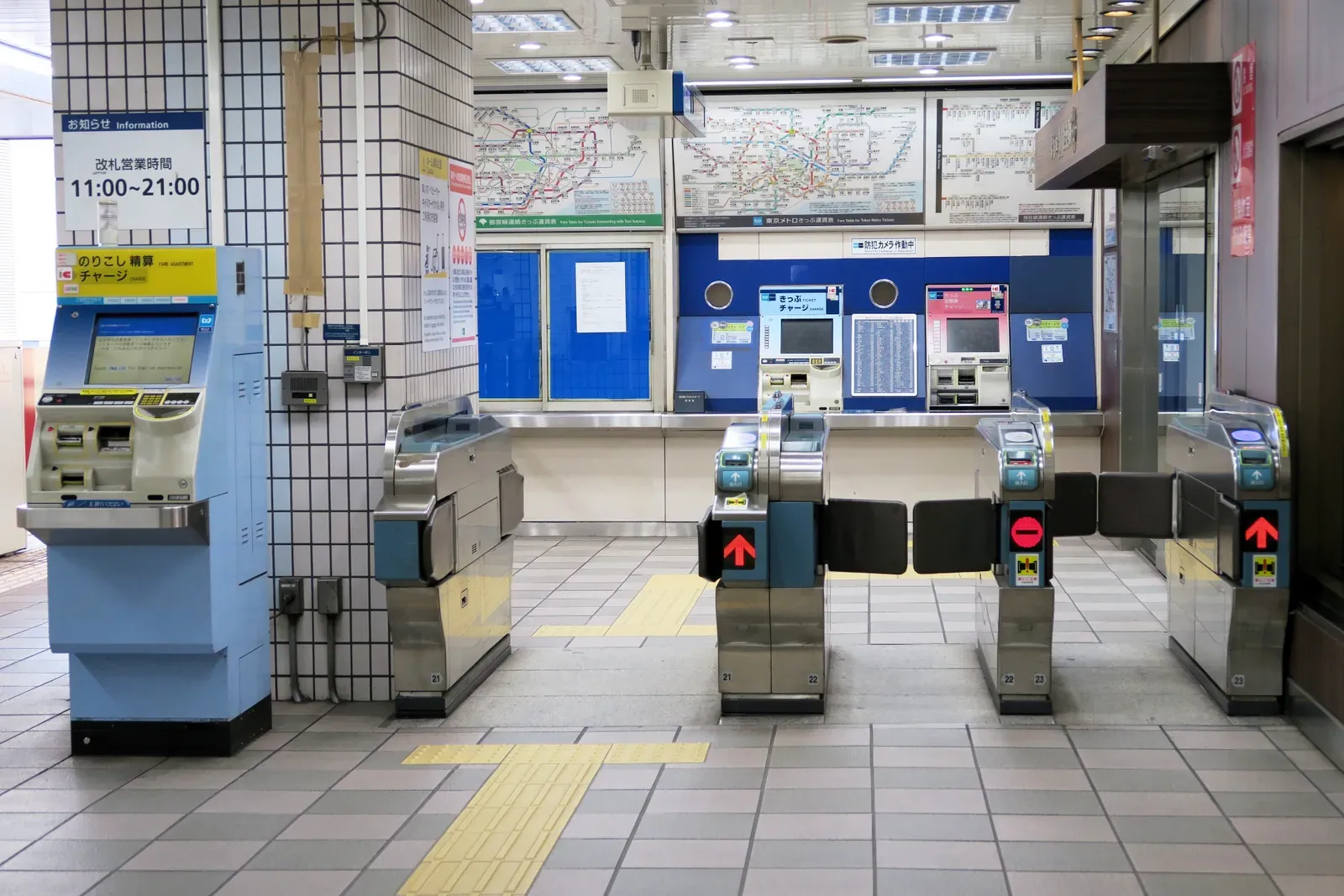 Plan the tripJapan IC cards, cash and eSIM: what to buy in 2026Use Welcome Suica Mobile on iPhone or TOURIST PASMO (28 days, no deposit) on any phone, Welcome ICOCA in Kansai, cash for small shops and the povo Japan eSIM.
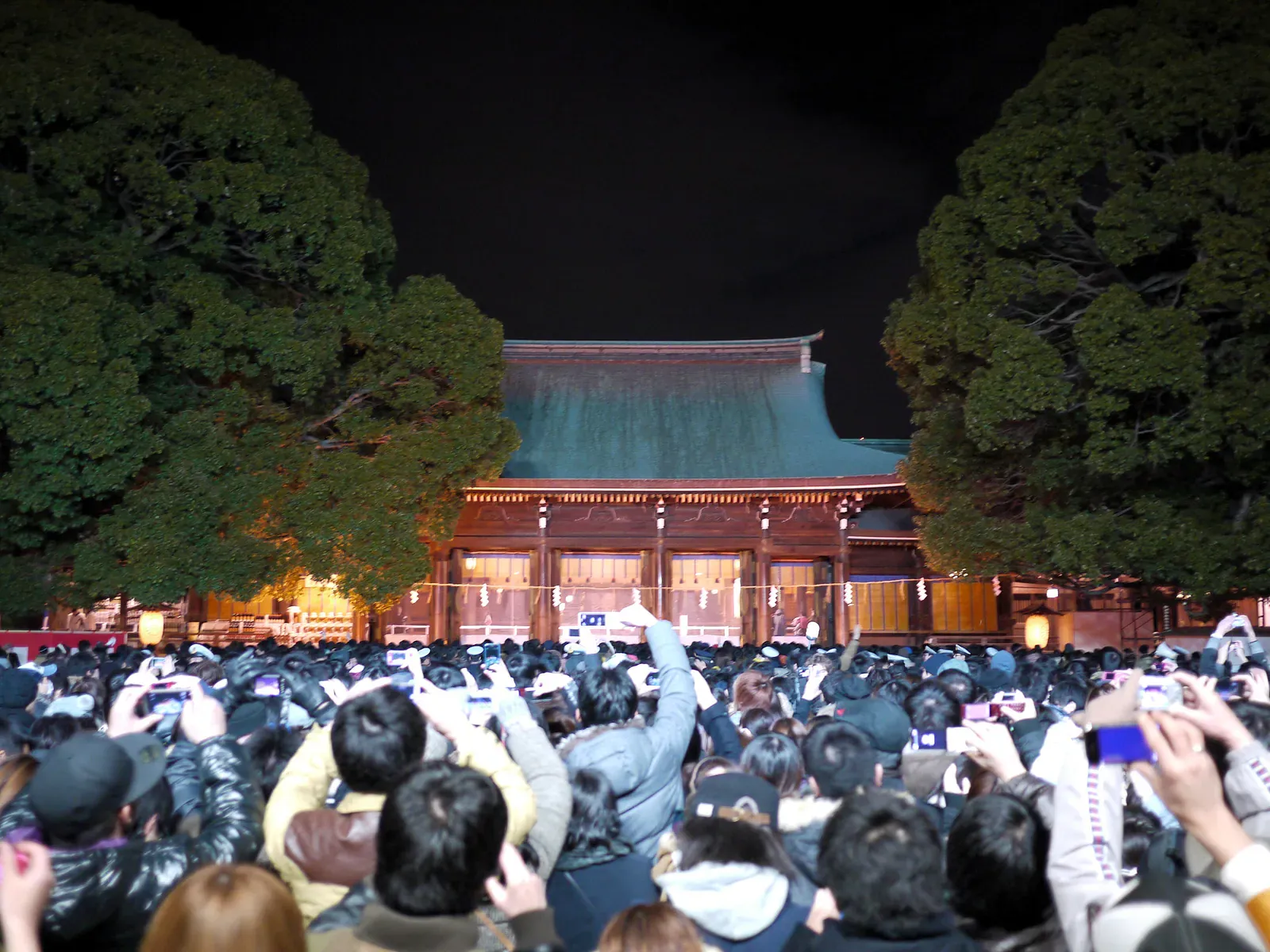 Plan the tripJapan New Year closures 2026-27: what shuts, what runsMany sights, shops and restaurants close 29 Dec to 4 Jan, and several JR trains are all-reserved 25 Dec to 5 Jan. Yasaka Shrine events and JR extra trains.
- Plan the tripJapan safety and etiquette: numbers, quakes, mannersCall 110 for police, 119 for ambulance or fire, or the JNTO Visitor Hotline 050-3816-2787. Earthquake and typhoon guidance, trash, smoking and tattoos.
 Plan the tripJapan tax-free shopping from 1 Nov 2026: refund stepsFrom 1 Nov 2026 you pay tax at the till and claim it back at the airport: $32 (¥5,000) per store per day, 90 days, then a Green or Red customs result.
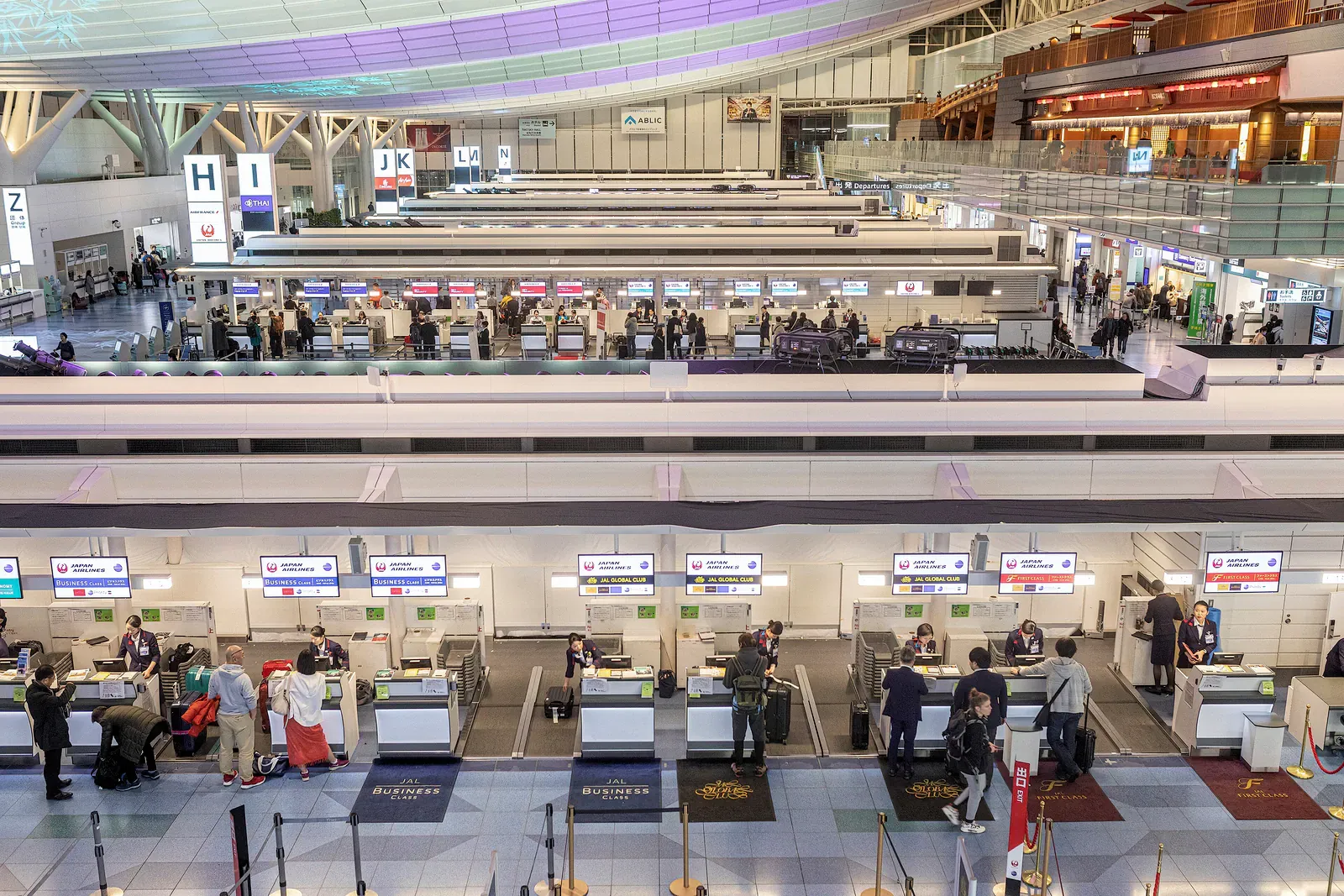 Plan the tripTravel insurance for Japan: official advice and costsJapan's health ministry strongly recommends private cover. JNTO cites bills of $48,390 (¥7.5 million) and $64,520 (¥10 million); choose cashless service.
- Plan the tripHow to plan a trip to Japan: 8 steps and the 2026 changesPlan Japan in order: dates, length, entry, money, transport, rooms, data and safety. Key facts, the 2026 rule changes and the guide for each step.
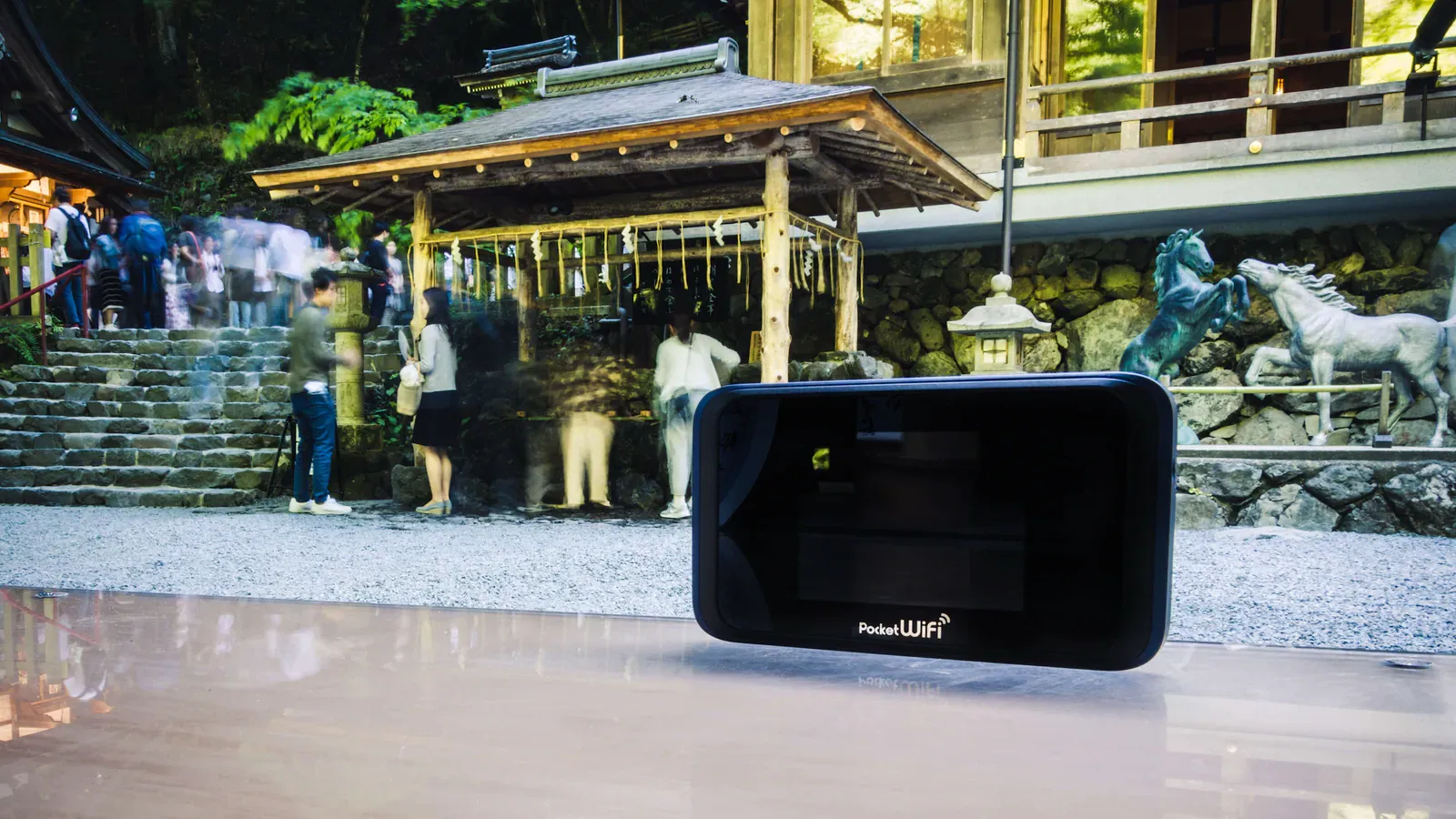 Plan the tripWi-Fi and eSIM for remote work in Japan: povo pricespovo's data-only eSIM for Japan: 20 GB for 30 days at $17 (¥2,700) in the 2025 listing, activated without ID documents. Plan fit for remote work.
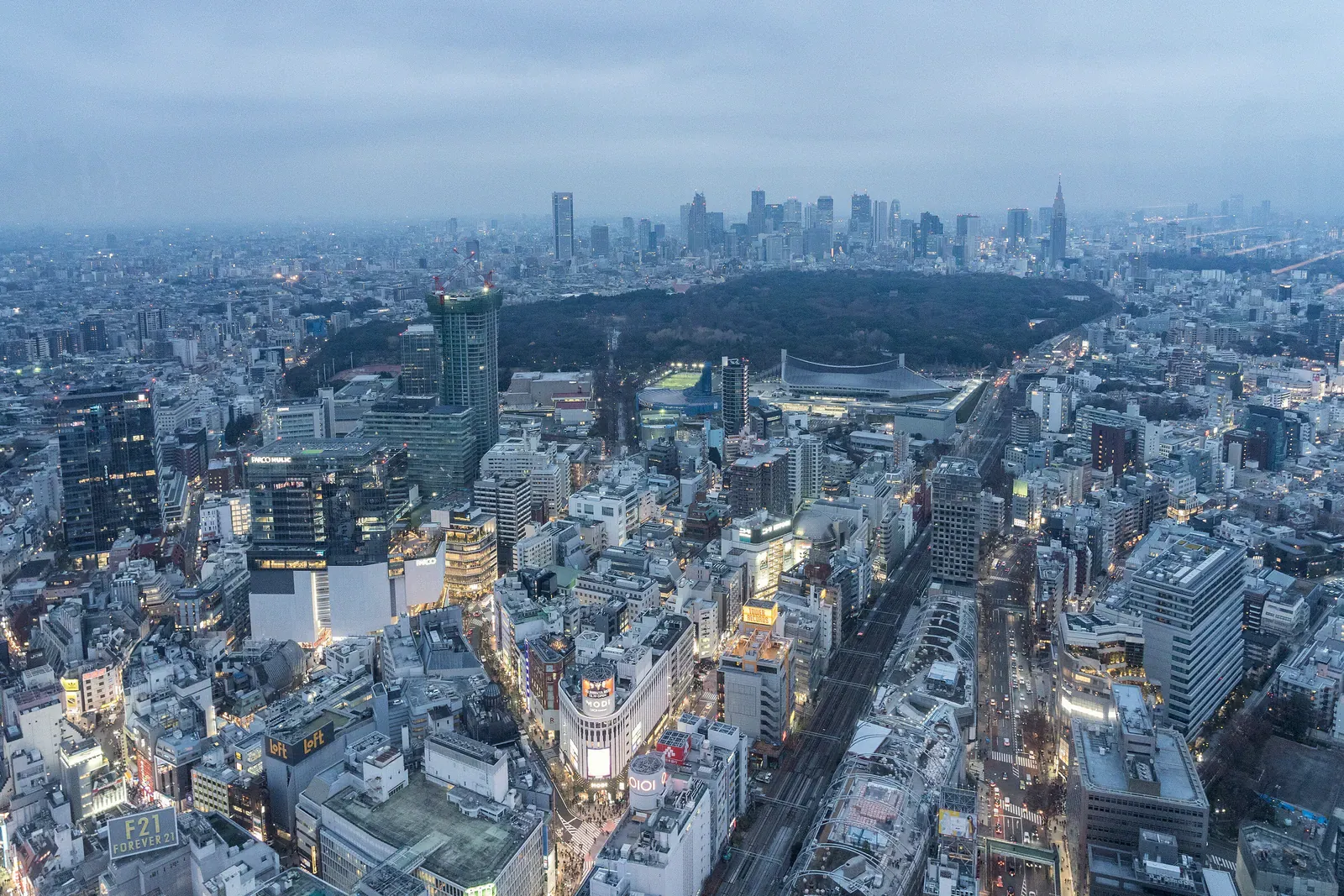 Plan the tripJapan digital nomad visa: income, insurance, 6 monthsJapan's nomad status allows 6 months with no extension. You need $64,520 (¥10 million) a year and insurance. Rules, documents and banned work.
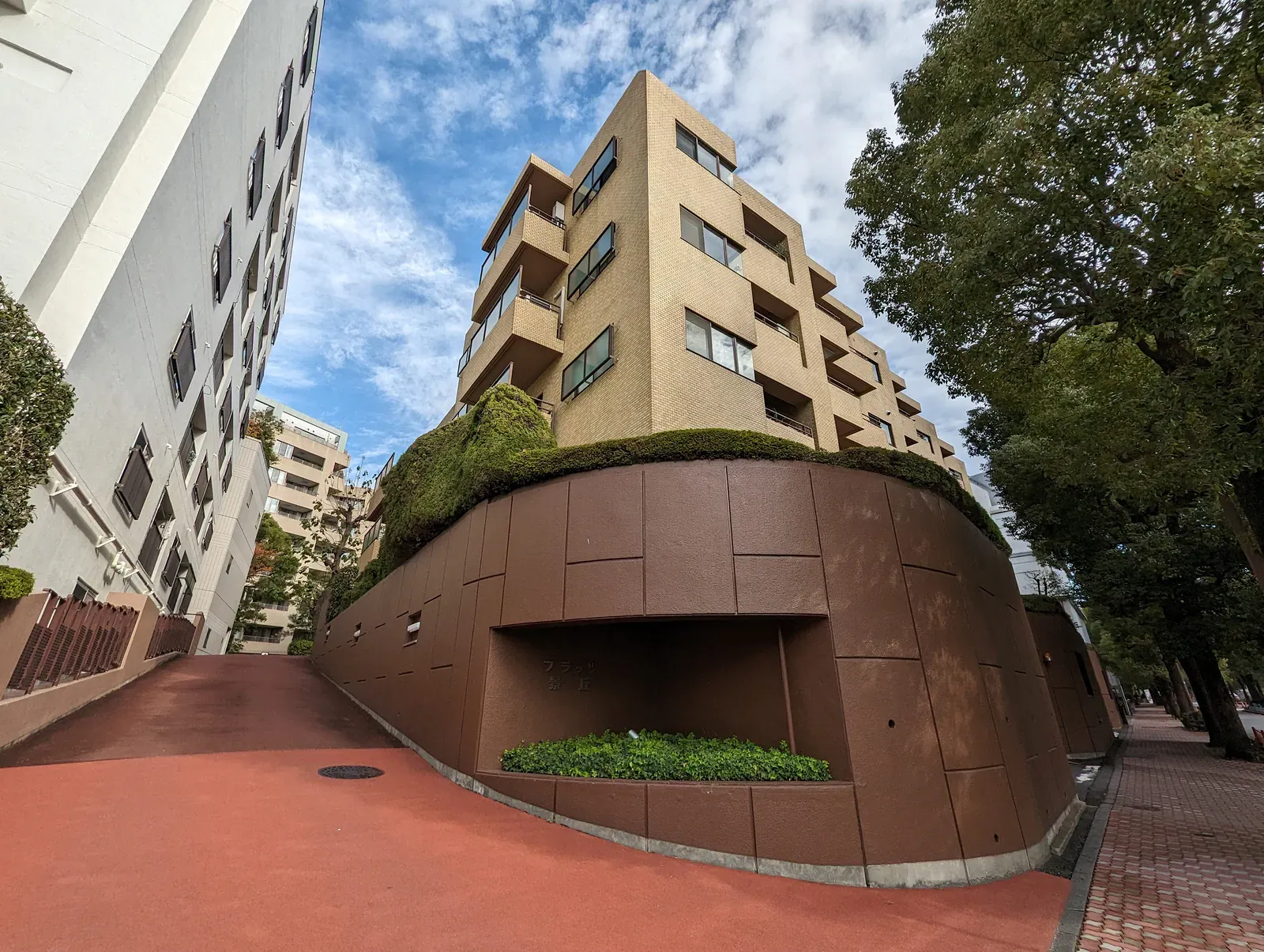 Plan the tripRenting in Japan: upfront costs, deposit and key moneyRenting a flat in Japan typically takes 4 to 7 months of rent upfront: deposit, key money, agent fee, guarantor and insurance, with a worked example.
- Plan the tripShinkansen and JR Pass guide: bags, prices, passesJR Central bags over 160 cm total need a reservation. JR Pass 7 days: $325 (¥50,000) online, $340 (¥53,000) at agents. Regional passes that changed in 2026.
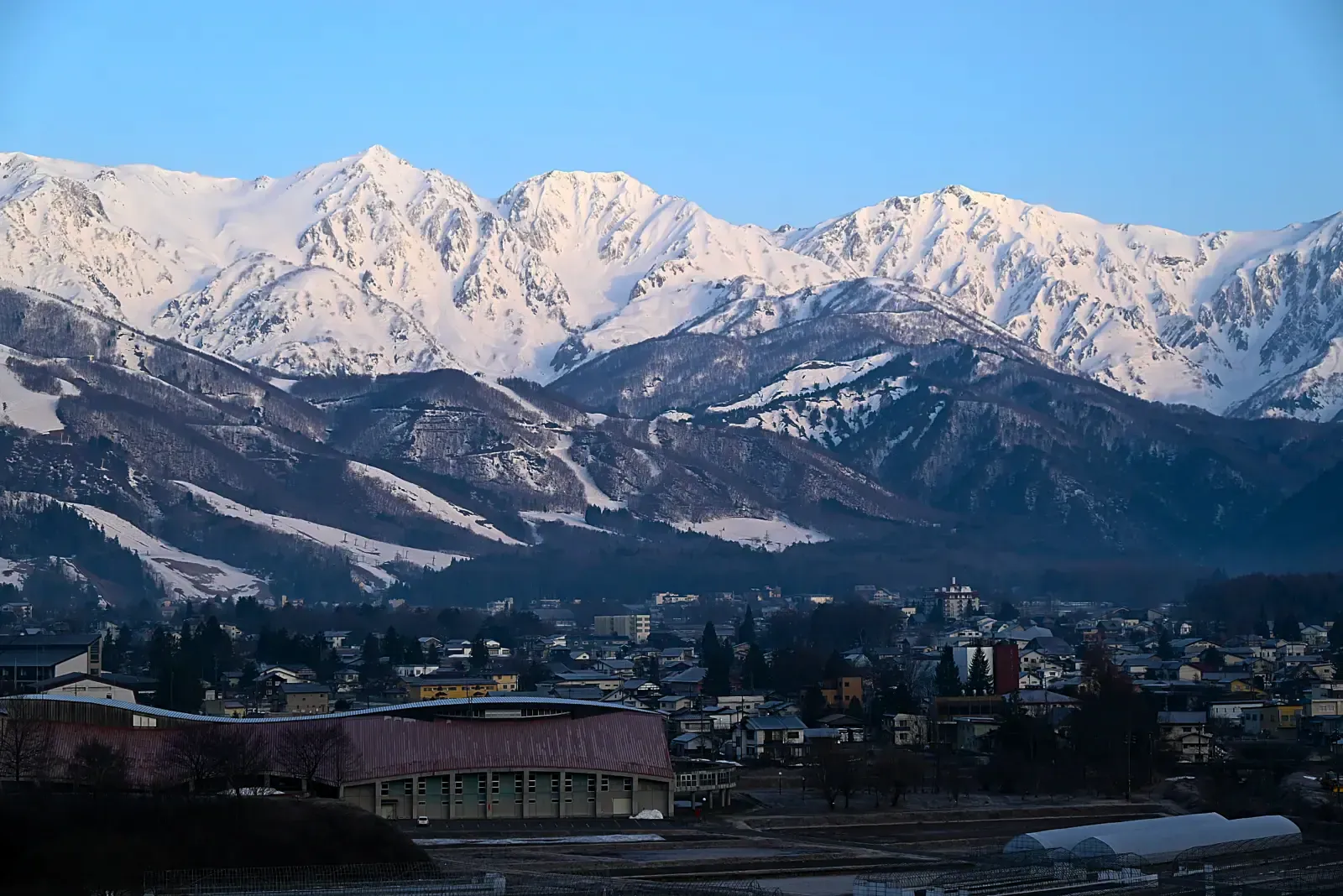 Plan the tripTokyo to Hakuba in winter: Shinkansen, bus and faresTokyo to Hakuba: Hokuriku Shinkansen to Nagano, then the Alpico bus, last known fare $23 to $25 (¥3,500 to ¥3,800). Reservations, ski bags, Shinjuku bus.
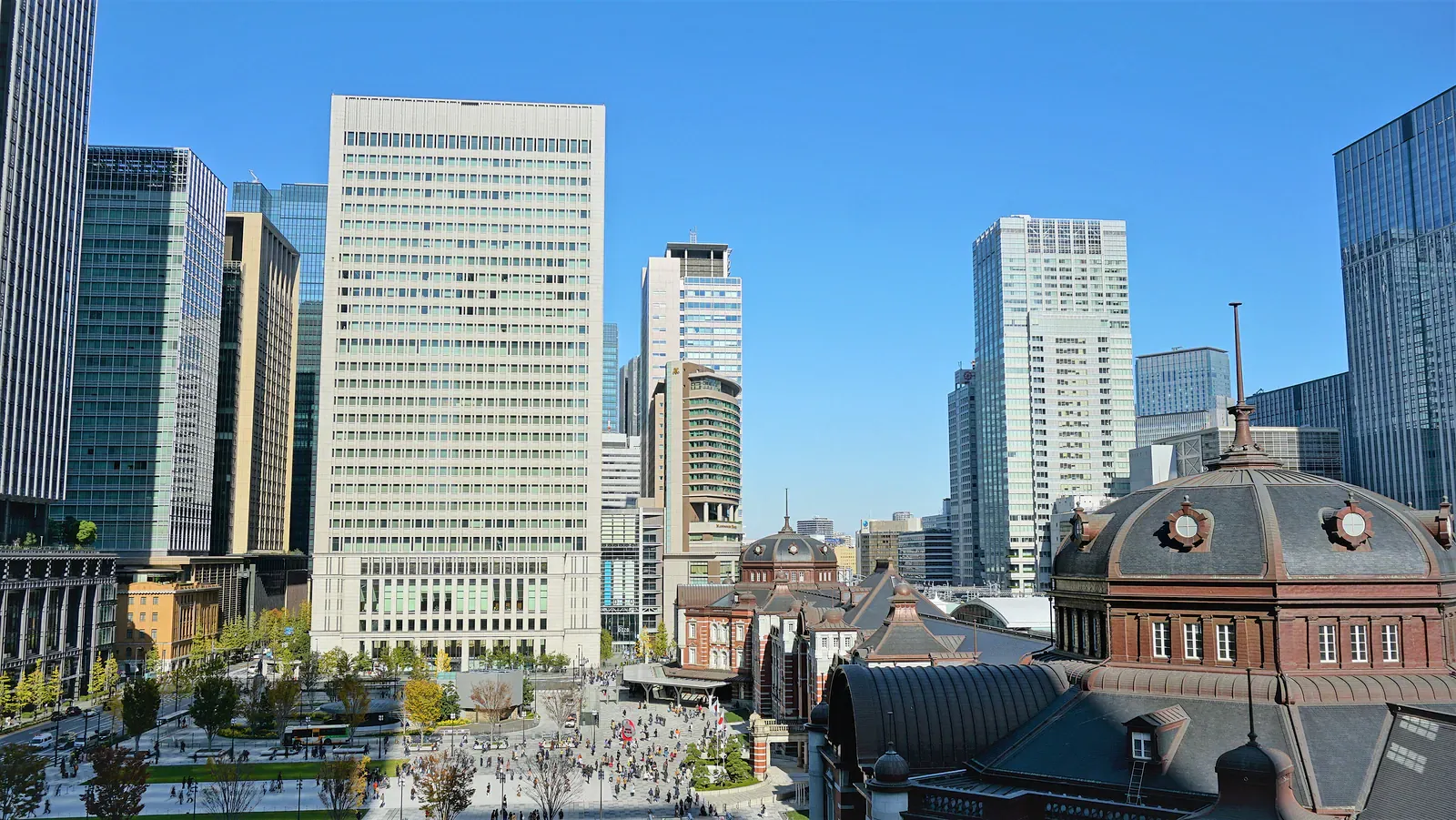 Plan the tripWeekday in Tokyo, weekend in the mountains: train timesTokyo to Karuizawa, Echigo-Yuzawa, Nagano and Hakuba: about 65 minutes to 3 hours by Shinkansen and bus, with last known fares and Alpico booking rules.
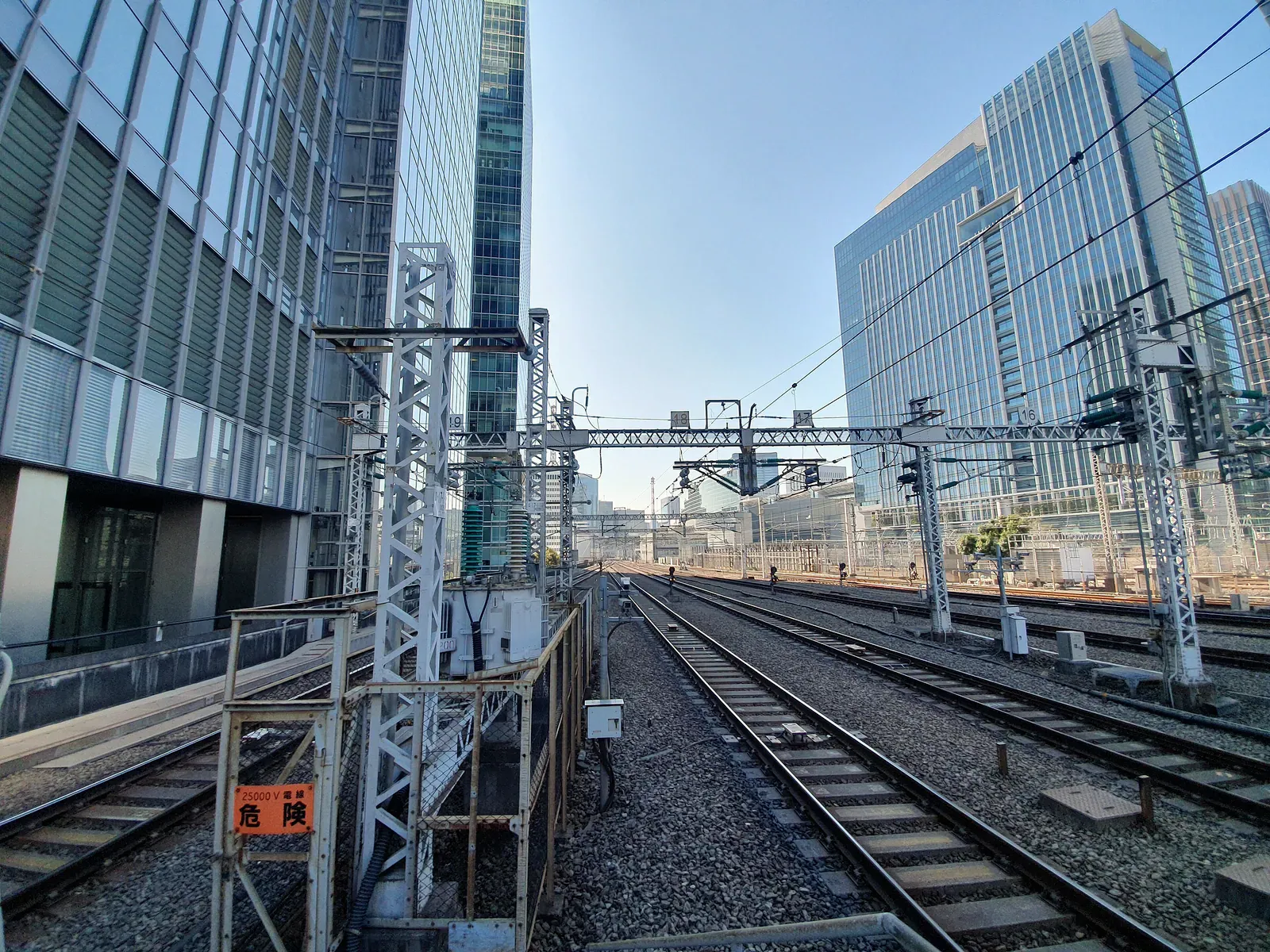 Plan the tripJapan 2026 changes: JR Pass price, tax-free, departure taxJR Pass after 1 Oct 2026: $340 (¥53,000) at agents, $325 (¥50,000) on the official site for now. Plus departure tax, tax-free refunds and visa fees.
- Plan the tripWhen to visit Japan: climate by month and 2027 holidaysJapan month by month: JMA temperature and rainfall for Tokyo, Osaka, Kyoto, Sapporo, Fukuoka and Naha, plus 2026-27 holidays and Golden Week 2027 dates.
- Coming soonJapan itinerary: 7, 10 and 14 daysRoutes by interest, not by checklist.
- Coming soonBest time to visit, month by monthWeather, crowds and what is on.
- Coming soonIs the JR Pass still worth it?The maths with real fares.
- Coming soonDaily budget for a Japan tripWhat a day costs, in dollars and yen.
- Coming soonJapan digital nomad visaWho qualifies and how to apply.
- Coming sooneSIM, pocket Wi-Fi or local SIMWhich one fits a long stay.
- Coming soonCost of living: Tokyo, Osaka, FukuokaMonthly budgets side by side.
- Coming soonFukuoka as a nomad baseWhy it keeps topping the lists.
Plan around the 2026 changes: the JR Pass price, departure tax, tax-free shopping, visa fees and the Kyoto and Hokkaido hotel taxes all moved. Tourist status has no published allowance for remote work, and the nomad visa lasts 6 months at most (see Live and work).
What to sort first
Start with What changed in Japan in 2026: 14 changes in one table, each marked with who it hits. A 7-day JR Pass is $340 (¥53,000) at agents and $325 (¥50,000) on the official site for now.
What are the trip guides?
- Japan trip planning: the full guide Plan in this order: when, how long, entry, money, transport, where to stay, connectivity and safety.
- When to visit Japan Climate by month for six cities; Tokyo averages 5.4 °C in January, and Golden Week 2027 falls on 29 April and 3 to 5 May.
- One, two and three week itineraries Tokyo and Kyoto first, then Nagano and Osaka, then Hokkaido; Tokyo to Kyoto is about 2 h 10 by Shinkansen.
- Entry, Visit Japan Web and customs Most visa-exempt visitors get 90 days, and cash above $6,450 (¥1,000,000) must be declared.
- Cash, IC cards and eSIM Welcome Suica Mobile on iPhone (180 days), TOURIST PASMO on any phone (28 days, no deposit).
- Tax-free shopping Pay the tax at the till, then claim it back at departure from 1 November 2026: $32 (¥5,000) minimum per store per day, within 90 days.
- Shinkansen and JR Pass On JR Central lines a bag over 160 cm total needs a reserved seat or a $6 (¥1,000) fee.
- Airport transfers Skyliner from 41 minutes, Monorail 13 minutes from Haneda to Hamamatsucho, Rapi:t 34 minutes to Namba.
- Tokyo to Hakuba in winter Shinkansen to Nagano, then the Alpico bus at $23 to $25 (¥3,500 to ¥3,800) in 2025-26; the 2026-27 fare is due around mid-November 2026.
- Hotel taxes and where to stay Kyoto charges $1 to $65 (¥200 to ¥10,000) per person per night; Tokyo moves to 3% on 1 April 2027.
- How much a trip costs The 2025 Japan Tourism Agency average is about $1,480 (¥229,000) per visitor per trip.
- Safety and etiquette Police 110, ambulance and fire 119, and the JNTO hotline.
- Travel insurance for Japan Not compulsory, but the health ministry strongly recommends private cover; JNTO cites bills up to $64,520 (¥10 million).
- New Year closures Many sights, shops and restaurants close from 29 December to 4 January; temples and shrines stay open.
- Lift passes 2026-27 Adult day tickets for 11 resorts side by side, and how little multi-day passes save.
Can I…? answers
- Can I use a JR Pass for Tokyo, Hakuba and Kyoto? Yes, and whether it pays depends on the legs you ride.
- Can I bring medication into Japan? Yes, within a one-month supply of an allowed drug; some common drugs are banned even with a prescription.
- Can I rent a car in winter with an IDP? Only a paper 1949 Geneva permit counts.
Safety Police are 110 and ambulance or fire are 119, free and open 24 hours. The JNTO Visitor Hotline, 050-3816-2787, runs 24 hours in English, Chinese, Korean and Japanese.
To verify JESTA, the pre-authorisation for visa-exempt travellers, is reported to have passed into law in 2026. It is not live and its fee is not set, so avoid sites selling it.
Live and work: the longer stay
Can you work remotely on a tourist stay?
No. Visa-exempt temporary visitor status is for tourism, and no allowance for remote work is published. The route is the nomad status, formally Designated Activities. Details: Can I work remotely on a tourist visa?
Tourist stays are usually 90 days, but some passports get 15 or 30. The Ministry of Foreign Affairs list sets each passport’s length.
What does the nomad visa allow?
Per the Immigration Services Agency and JNTO:
- Stay: 6 months, no extension, no residence card. Re-entry only after 6 months outside Japan.
- Income and cover: at least $64,520 (¥10 million) a year, plus private medical insurance with medical cover of at least $64,520 (¥10 million). Sole proprietors are judged on profit, not turnover.
- Work: remote work for a foreign employer, or services and goods sold to people abroad. No contracts with Japanese organisations or individuals.
- Family and tax: spouse and children can come. Income from activity in Japan is exempt under most treaties at 183 days or fewer, if the payer is abroad and a treaty applies.
- Eligibility: only nationals of countries with both visa exemption and a tax treaty with Japan. One report counts about 49; the official list and the visa fee are unconfirmed.
- Apply: at the Japanese embassy or consulate where you live.
Where do you base yourself?
Expect 4 to 7 months of rent upfront on a standard lease, per the Ministry of Land, Infrastructure, Transport and Tourism and the Tokyo Metropolitan Government; secondary guides say 4 to 6. Furnished monthly providers advertise no key money or guarantor, their own claim, so read the terms. Coworking runs from $14 (¥2,200) for a day desk in Fukuoka to $350 (¥54,000) a month for a Tokyo membership. Destinations has the regions.
- Digital nomad visa Up to 6 months with no extension; $64,520 (¥10 million) a year and private insurance; Japanese clients are excluded.
- Coworking in Japan Osaka WeWork is $275 (¥42,900) a month; Fukuoka and Tokyo prices as above.
- Wi-Fi, SIMs and eSIMs for remote work povo’s data-only eSIM was 20 GB for 30 days at $17 (¥2,700) in the 2025 listing; the SIM ID rule is unconfirmed.
- Renting a flat: upfront costs Deposit of 1 to 3 months, key money of 0 to 2, an agent fee of 0 to 1, plus a guarantor and insurance.
- Weekday city, weekend mountain From Tokyo, Karuizawa takes about 65 minutes, Echigo-Yuzawa 70 to 80, Nagano 80 to 110 and Hakuba about 3 hours; fares are last known.
Dollar figures use about ¥155 to US$1 and are rounded; you pay in yen, so check the rate.
Quick answers
What changed for Japan travellers in 2026?
The JR Pass rose on 1 Oct 2026 through overseas agencies, the departure tax became $19 (¥3,000) on 1 Jul 2026, and tax-free shopping moves to pay-then-refund from 1 Nov 2026. Visa-exempt tourists pay no visa fee.
Can I work remotely in Japan, and how long can I stay?
No, not on a tourist stay: it is for tourism, and no allowance for remote work is published. Visa-exempt stays are usually 90 days, but some passports get 15 or 30. The nomad status allows up to 6 months with no extension, and needs income of $64,520 (¥10 million) a year and private insurance.
Who do I call in an emergency in Japan?
Police 110 and ambulance or fire 119, free and open 24 hours. The JNTO Visitor Hotline is 050-3816-2787, open 24 hours in English, Chinese, Korean and Japanese.