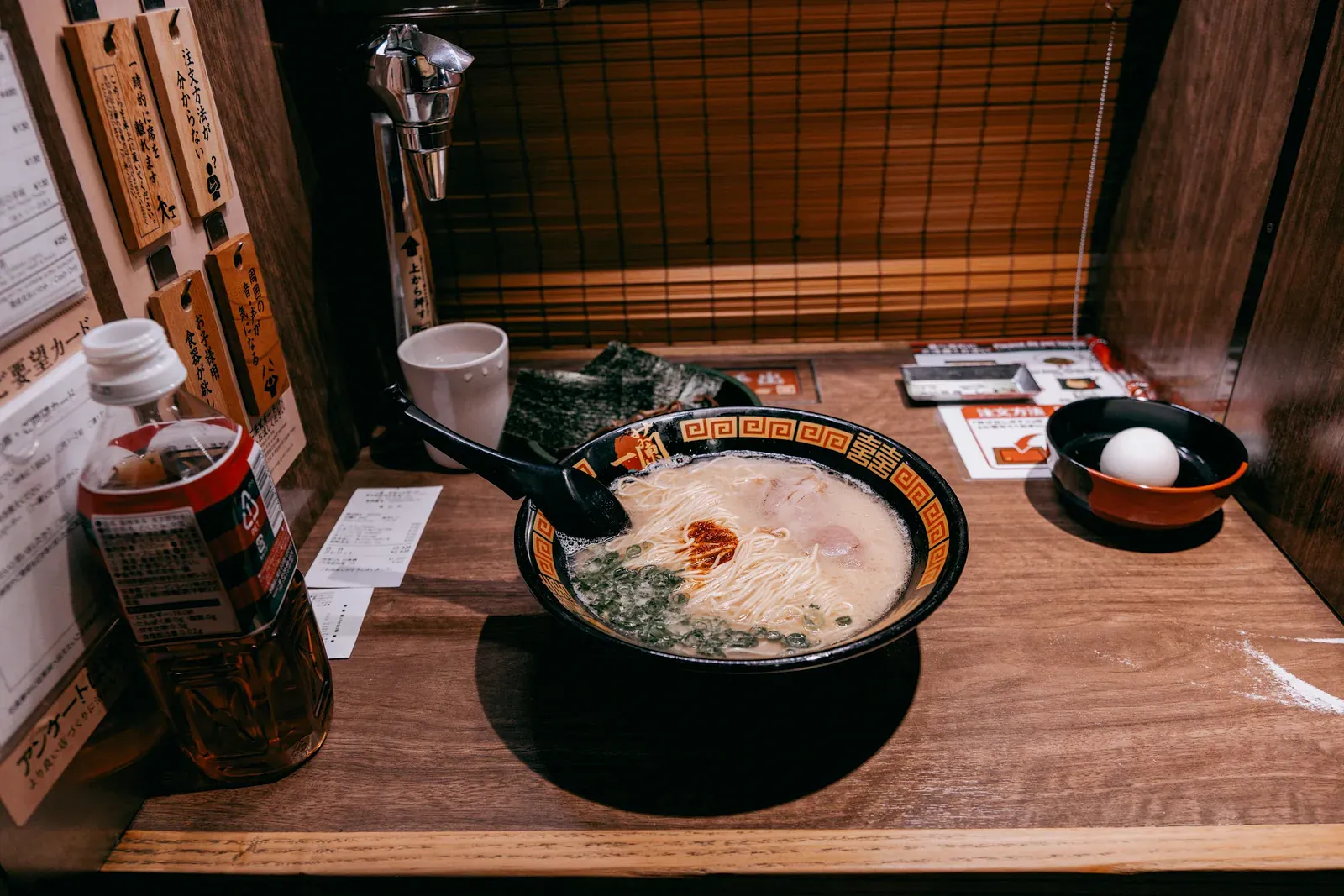
No.07 - Food
Eat well in Japan
How to order, what a meal costs, tipping and tax, vegetarian, halal and allergy needs, sake and the drinking rules, and the dishes and markets worth planning a day around.
Guides
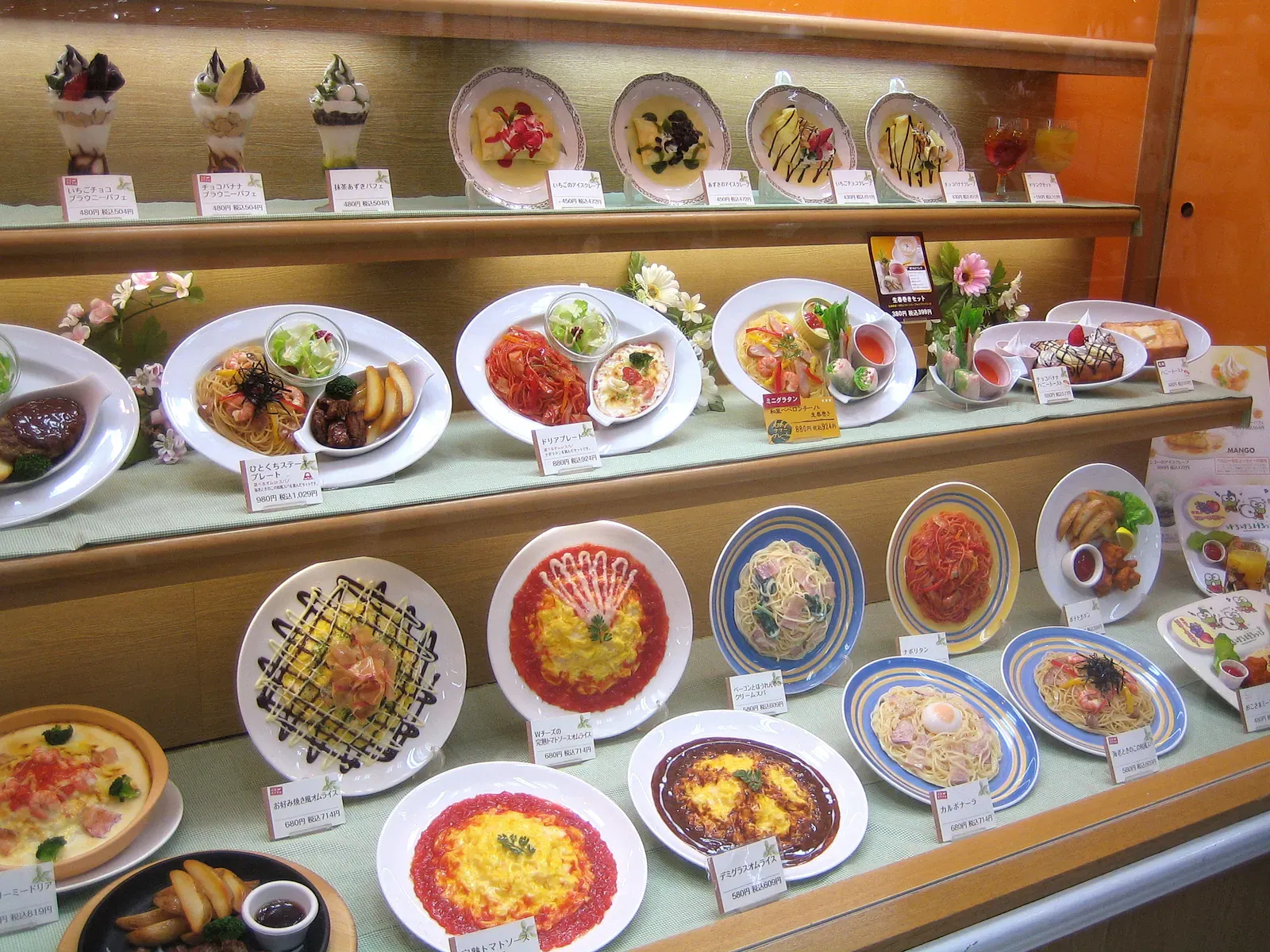 FoodJapan food allergy card: the 9 mandatory allergensJapan's mandatory allergen list is now nine items with cashew, per the Consumer Affairs Agency. The English card, what is unconfirmed, and what we left out.
- FoodHalal and kosher in Japan: JNTO guide and venue checksHalal and kosher food in Japan: the JNTO Muslim visitor guide, how halal claims work without a central agency, kitchen and mirin checks, and kosher.
- FoodJapan food guide: dishes, costs and how to orderChain meals from $1 (¥100), tipping and tax, how ordering works, dishes by region, markets, dietary needs and drinks, with sources for each figure.
- FoodJapan food markets: hours, closed days and rulesToyosu, Tsukiji Outer, Nishiki, Kuromon, Omicho, Hakodate Morning and Nijo markets: opening hours, closed days, tuna auction viewing and eating rules.
- FoodKobe Beef criteria: cattle, origin, BMS 6 and the GIWhat makes beef Kobe Beef: Tajima-gyu cattle born and raised in Hyogo, BMS 6 or higher, yield grade A or B, a registered GI and how to check a menu claim.
- FoodOkonomiyaki: Osaka vs Hiroshima styleOsaka okonomiyaki mixes cabbage, flour and egg; Hiroshima layers its ingredients and adds noodles. The two styles compared, with allergen and diet checks.
- FoodOrdering food in Japan: ticket machines, otoshi, mannersHow to order food in Japan: ticket machines, the otoshi table charge, sushi and chopstick manners, queues, booking and no-show fees. Izakaya gaps marked.
- FoodSake guide: grades, drinking age 20, duty-free limitSake grades from junmai to daiginjo, the drinking age of 20, the duty-free limit of 3 bottles, public drinking, shochu, awamori and the whisky standard.
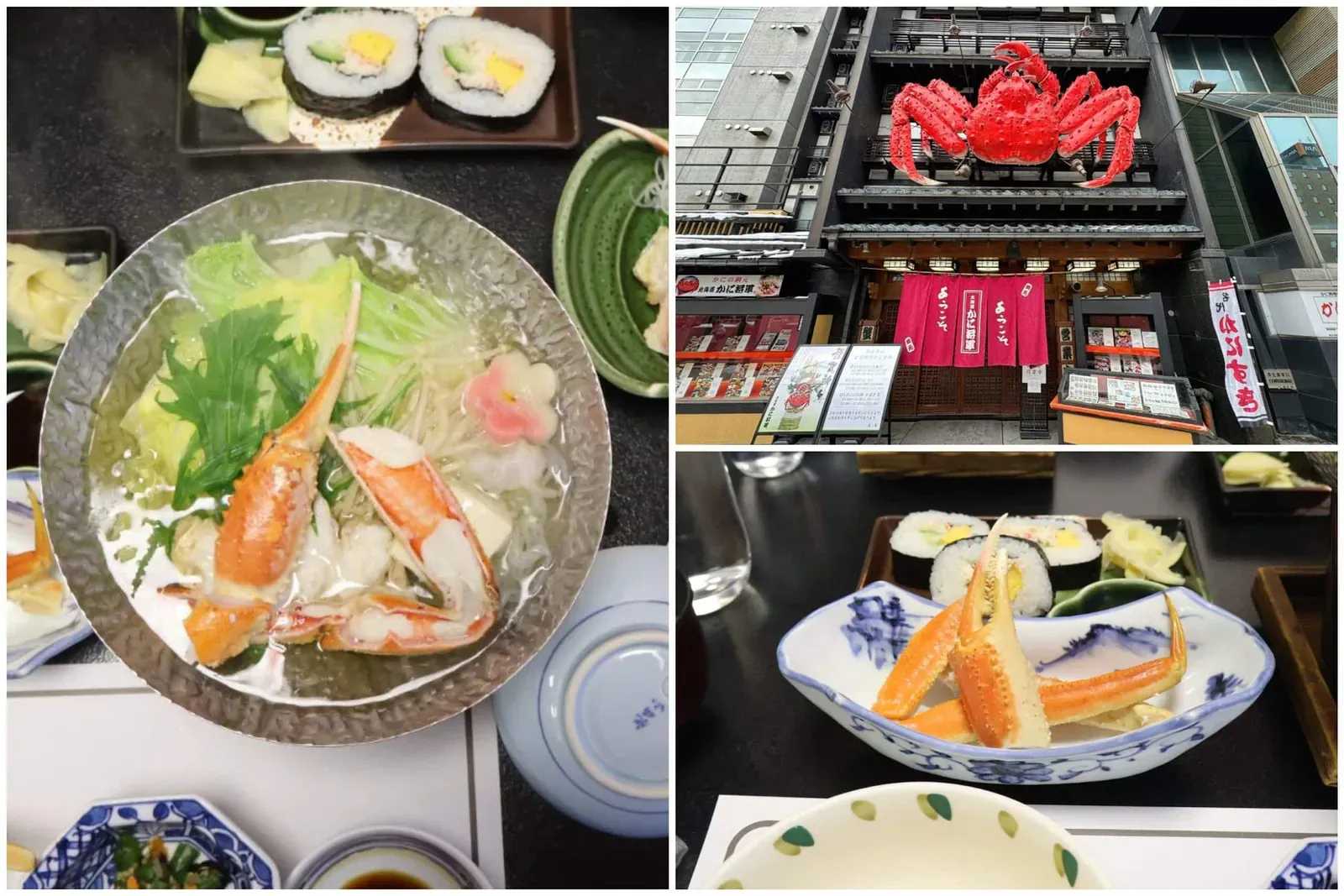 FoodSapporo crab hotpot: kanishabu or kanisuki?Sapporo crab hotpot in winter: kanishabu or kanisuki, what listings charge, how booking fees work and what to ask before you order.
- FoodTipping and paying in Japan: cash, cards and taxTipping is not expected in Japan. Cash or card, 10% tax on dine-in meals, 8% on takeout, and 7-Eleven ATMs that take foreign cards.
- FoodVegetarian and vegan in Japan: dashi and shojin ryoriEat vegetarian or vegan in Japan: where dashi fish stock hides, what to ask for, when to tell venues, shojin ryori at temples and convenience store fallbacks.
- FoodWhat a meal costs in Japan: 2026 chain pricesChain meals in Japan, 2026: sushi plates from $1 (¥100), gyudon $3 (¥480), set meals $6 to $9 (¥890 to ¥1,420), and food as 21.9% of visitor spending.
Eating in Japan comes down to three things: you often order at a machine, tipping is not expected and a chain meal costs about $1 to $9 (¥100 to ¥1,420). This hub covers how to order, what it costs, dietary needs and drinks, then the dishes and markets worth a day.
What to explore
Start with Ordering food in Japan: pay first at a ticket machine, expect an otoshi charge at an izakaya, queue in order and book ahead in popular areas.
What is in this hub?
- Japan’s food guide Dishes by region, how a meal works and what it costs, in one guide; chain meals run from $3 (¥420) for a mini beef bowl to $9 (¥1,420).
- Tipping and paying Tipping is not expected. Dine-in tax is 10%, alcohol included, and the guide covers cash, cards and 7-Eleven ATMs.
- What a meal costs Chain meals run from $1 (¥100) for a conveyor sushi plate to $9 (¥1,420) for a six-piece oyster-fry set; a regular Sukiya beef bowl is $3 (¥480). Food and drink were 21.9% of visitor spending in 2025.
- Vegetarian and vegan in Japan Ask for no meat, seafood or animal products, including dashi, and tell venues at booking; shojin ryori and convenience stores are fallbacks.
- Halal and kosher in Japan Use JNTO’s Welcome Guide for Muslim Travelers, then ask each venue about its kitchen, mirin and cooking sake; kosher needs direct confirmation.
- Food allergy card Cashew joins the mandatory allergen list in the April 2026 update, making nine items; the English card is on the page.
- Sake and drinking in Japan Sake grades follow rice polishing and added alcohol; the drinking age is 20 and the duty-free limit is three bottles of about 760 ml.
- Kobe beef and wagyu Kobe Beef means Tajima-gyu cattle born and raised in Hyogo, with a marbling score (BMS) of 6 or higher.
- Food markets Toyosu opens 5:00 to 17:00 and closes Sundays; Tsukiji Outer’s public window is 9:00 to 14:00; Nishiki asks you not to eat while walking.
- Okonomiyaki: Osaka vs Hiroshima Osaka mixes the batter and griddles it; Hiroshima layers the ingredients and includes noodles.
- Sapporo crab hotpot Listings run from about $19 (¥3,000) at lunch to about $52 (¥8,000) at dinner; guides disagree on crab season.
What changed this year?
Cashew became a mandatory allergen in the Consumer Affairs Agency’s notice of 1 April 2026, making nine items. If you avoid cashew, read labels and tell staff before you order.
Dollar figures use about ¥155 to US$1 and are rounded; you pay in yen, so check the rate.
Where next?
Pair food with Culture for tea ceremony and festivals, or Plan the trip for money, transport and entry rules.
Quick answers
Do you tip in Japan?
No. Tipping is not expected in restaurants, so you pay the price on the bill. Dine-in meals carry 10% tax, alcohol included.
How do ticket-machine restaurants work?
You choose and pay at a machine near the door, then hand the ticket to the staff. JNTO describes the flow, and the ordering guide walks through it.
Is cashew a mandatory allergen in Japan?
Yes. The Consumer Affairs Agency's notice of 1 April 2026 adds cashew as a mandatory specified ingredient, which makes nine mandatory items. The enforcement date and the label transition period are not confirmed.