Guide - Culture
Yakuza in Japan: what visitors should know
Choose your own venues, walk past touts, ask the total price first, and call 110 or go to a koban if threatened. No group names or history.
Four habits cover what a visitor can do about yakuza and organised crime: choose venues yourself, walk past touts, ask the total price before you sit, and call 110 or go to the nearest koban if anyone threatens you. These habits cut risk in any nightlife district, whoever runs the venue. This page covers visitor safety only. The official points use police wording, and the page names no groups and gives no history.
What do the police say?
The police advice for visitors is practical: call 110 and use a koban. No visitor warning about organised crime appears in the English pages of the National Police Agency, the Tokyo Metropolitan Police Department, the Japan National Tourism Organization or the Ministry of Foreign Affairs that were searched.
The official points on this page are:
- Emergencies: the Metropolitan Police Department’s Crime Prevention Manual for Visitors gives 110 as the police number.
- Koban: the same manual says to go to the nearest koban, a neighbourhood police box, to report a crime or lost property.
- Context: the National Police Agency’s English report for 2020 says organised crime groups, which it calls boryokudan, appear to be involved in some amusement businesses. That line comes from a search snippet, not the full report.
How do you avoid trouble in entertainment districts?
Pick the venue yourself, confirm the price first and leave if either changes. The steps below are practical checks, not legal tests, because no official English guidance on telling a licensed venue from an unlicensed one.
- Choose from a map or listing. Pick a bar, club or restaurant you found yourself, with a name board and a price list you can read from the street.
- Walk past touts. A tout is a person on the pavement who invites you into a venue. Say no once and keep walking. Do not follow anyone to a place “around the corner”.
- Ask the total before you sit. Ask the price per drink, any seat or table charge and any time limit. Ask again if the answer is vague.
- Skip venues with no name or prices. A venue with no name board, no price list, or an entrance you reach only through someone outside is not worth the risk.
- Pay at the counter and keep the receipt. Ask for an itemised bill and keep your card in view.
- Stop if the bill does not match. Do not argue alone. Keep the bill, photograph any price list, step outside and go to a koban.
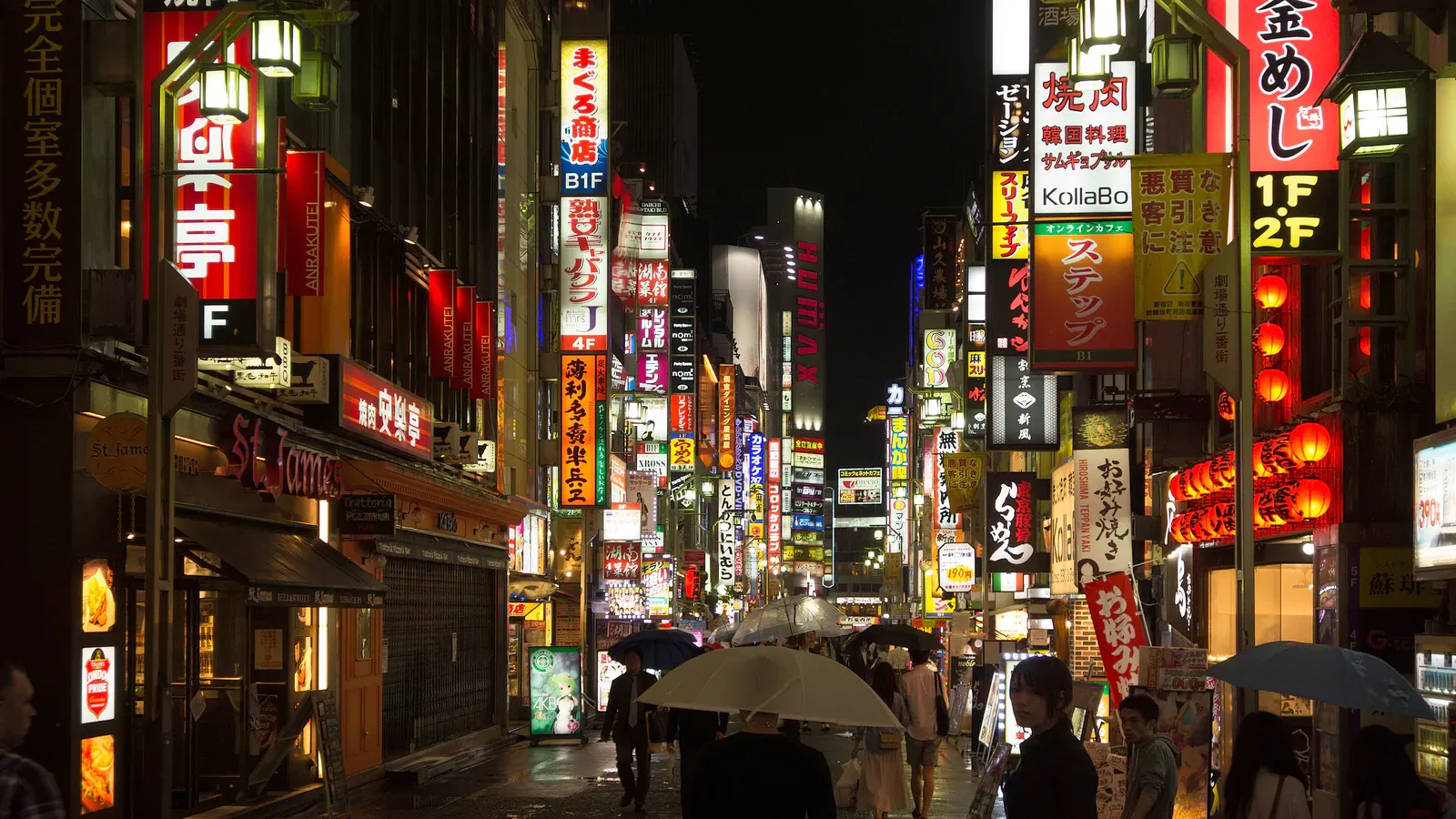
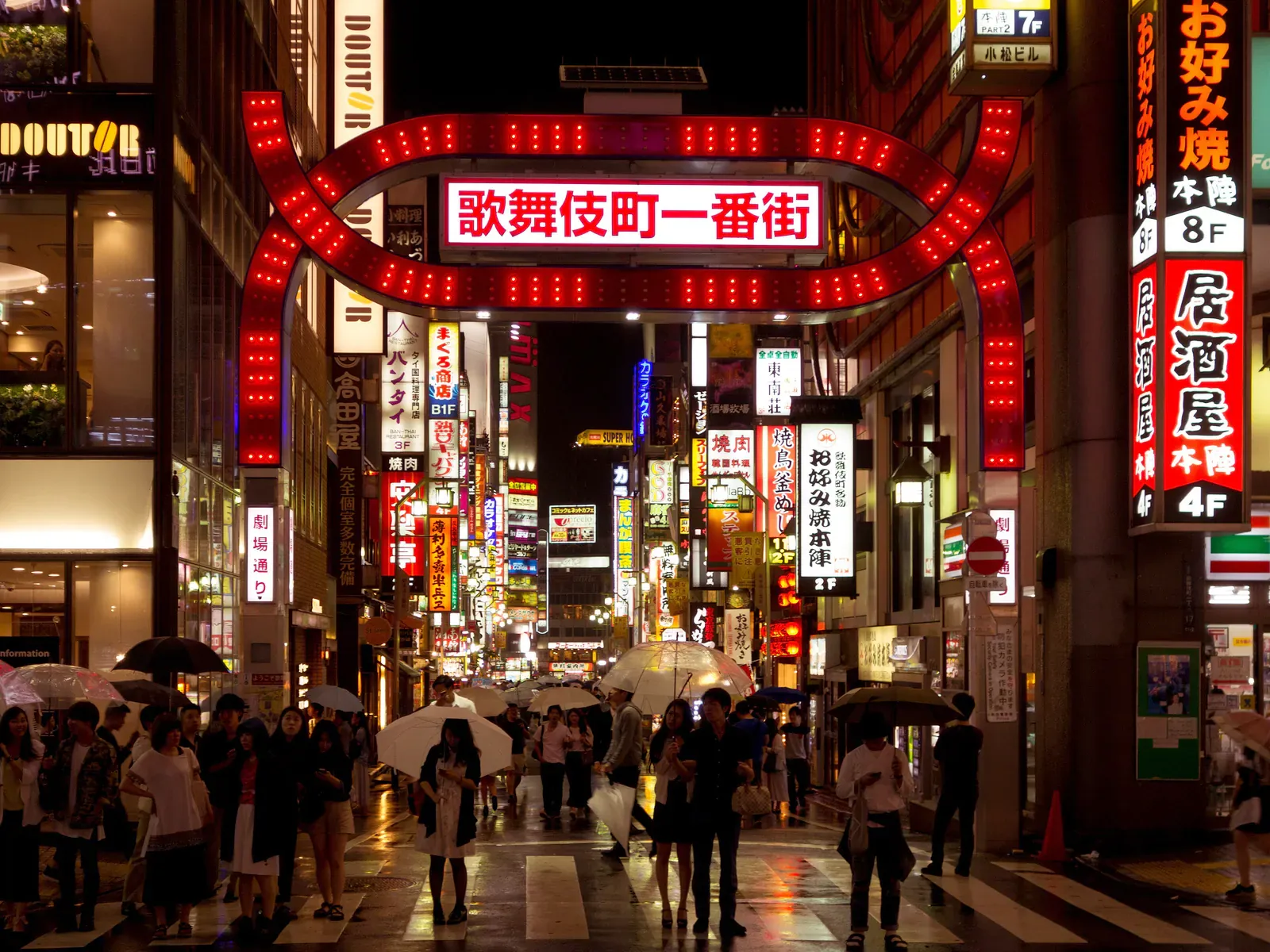
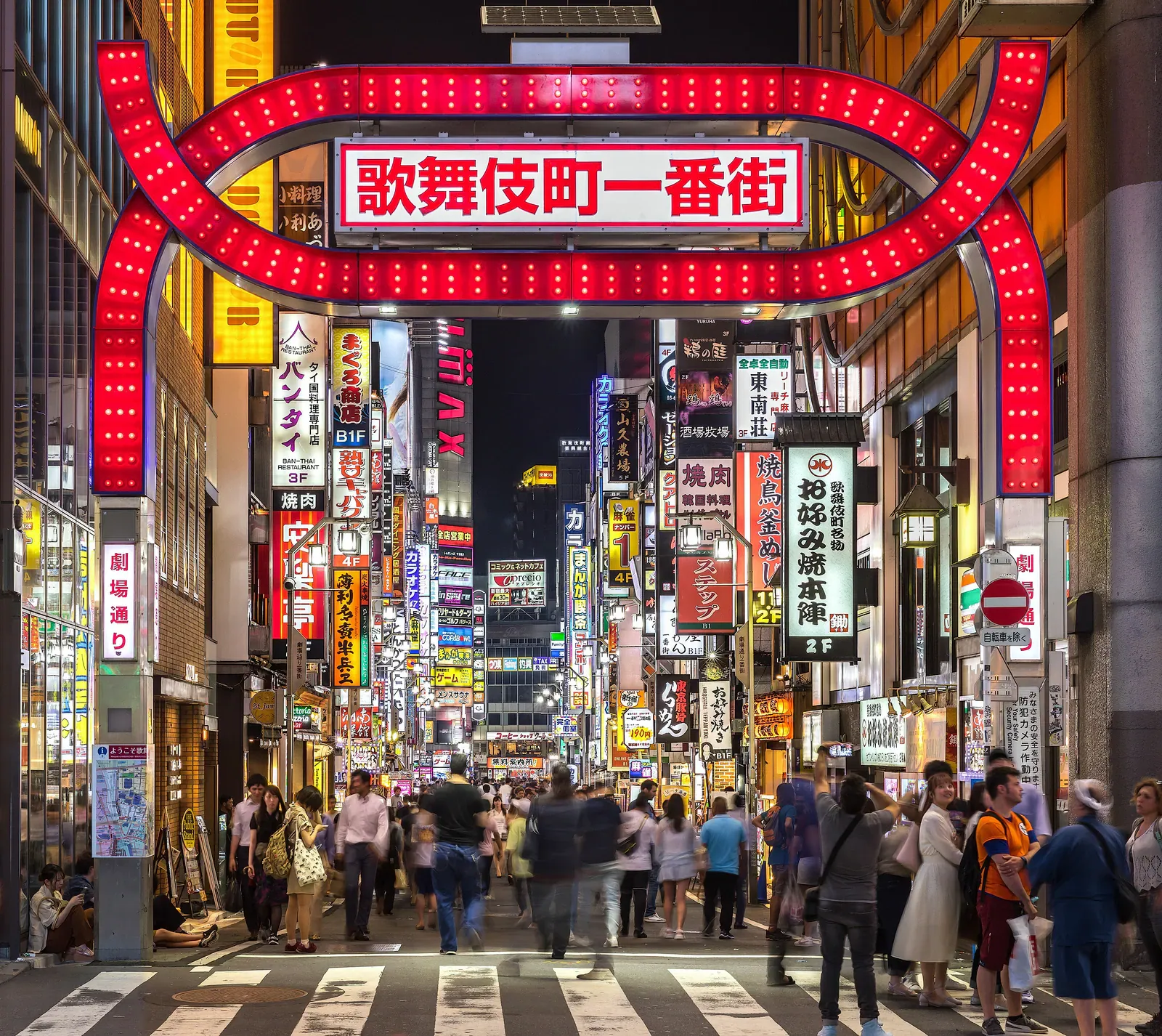
Overcharging is the documented risk in Shinjuku’s Kabukicho. Destinations has the complaint figures and a safety note for the district.
Plan the evening before you leave the hotel. Agree a budget, an end time and a meeting point with your group. A fixed plan makes it easier to refuse an invitation on the street, and if one person wants to leave, everyone leaves.
What if you already feel uneasy inside a venue?
You can leave. Stand up, say you are leaving and walk to the door. If staff block your way or anyone threatens you, call 110 as soon as you can.
Keep your belongings with you at all times. Do not leave your passport or card with venue staff, and do not sign anything you cannot read. These are general precautions, not police wording.
How do you get help?
Call 110 for the police. Leave the venue first if you can, and move somewhere public and lit, such as a station, before you call.
Give your location, say what happened and say whether anyone is hurt. The police wording read does not describe language support at 110 or at a koban. Keep the venue’s name, a map pin and your hotel’s address on your phone, and show the screen if words fail.
For a crime that is over, or for lost property, walk into the nearest koban. Take the bill, the receipt and any photos with you.
Safety Call 110 for the police. For a crime or lost property, go to the nearest koban.
| Situation | What to do |
|---|---|
| Tout approaches | Say no once, keep walking, choose your own venue. |
| Unknown price | Ask the total, seat charge included, before you sit. |
| Bill is higher | Do not argue alone; keep the bill and go to a koban. |
| Feel threatened | Leave, reach a public place, call 110. |
| Lost item | Go to the nearest koban. |
What about tattoos and baths?
Tattoo rules at baths are each bath’s own policy, not a police matter, and Japan has no national rule. Onsen tattoos explains how to check a bath’s wording and what the fallbacks are. Can I go in an onsen with a tattoo? gives the short answer.
Where next?
Kabukicho and the other districts are covered in Destinations. Bath rules are in Onsen tattoos and Can I go in an onsen with a tattoo?. For other places where local rules matter, see Temple and shrine etiquette. Every culture page is in the Culture hub, and the culture guide gives the overview.
Quick answers
Is organised crime a risk to visitors in Japan?
The police advice for visitors is practical: call 110 and use a koban. The English pages of the National Police Agency, the Tokyo Metropolitan Police Department, the Japan National Tourism Organization and the Ministry of Foreign Affairs that were searched carry no visitor warning about organised crime.
What number do I call in an emergency?
Call 110 for the police. For a crime or lost property, go to the nearest koban, the neighbourhood police box.
How do I stay clear of touts and unlicensed venues?
Choose venues yourself, walk past anyone who invites you from the street, and ask the total price before you sit. Skip venues with no name board or price list.
Is Kabukicho safe for visitors?
Overcharging is the documented risk there. The Destinations guide has the complaint figures and what to do.
Will a tattoo get me refused at an onsen?
Only if that bath says so. Japan has no national rule on tattoos in baths, so each bath decides. Check its wording, or ask first.